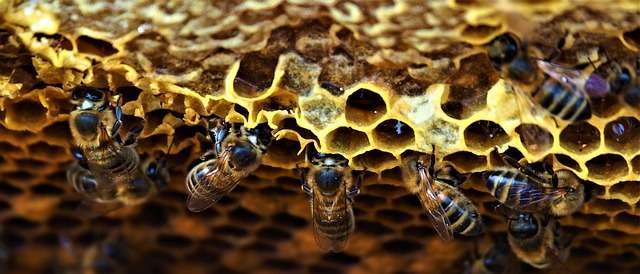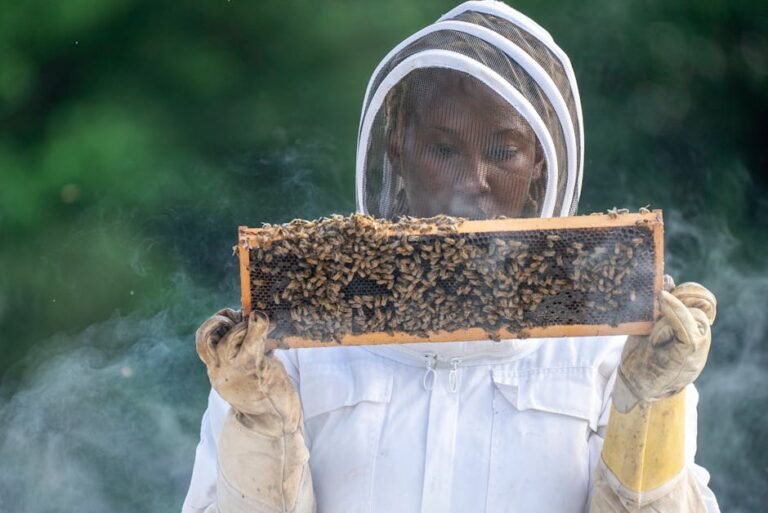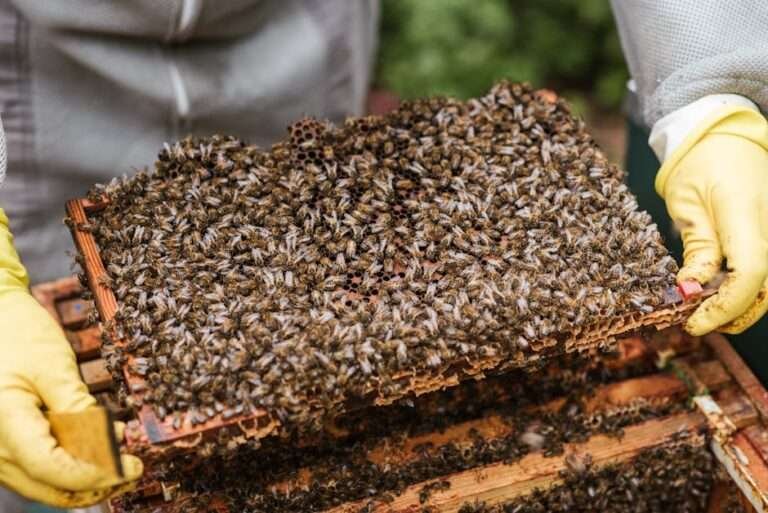
Crop unrecognizable farmer in protective gloves demonstrating honeycomb with flock of bees while standing near beehive

Why does creating an artificial swarm satisfy bees’ reproductive instincts

Creating an artificial swarm satisfies bees’ reproductive instincts because it closely simulates the colony-level process of natural swarming, which is the primary way honey bee colonies reproduce and ensure their long-term survival. In summary An artificial swarm uses bees’ deeply ingrained biological urges for colony reproduction to redirect their behavior and relieve the pressure that […]

Why does creating an artificial swarm satisfy bees’ reproductive instincts Read More »
, , , ,
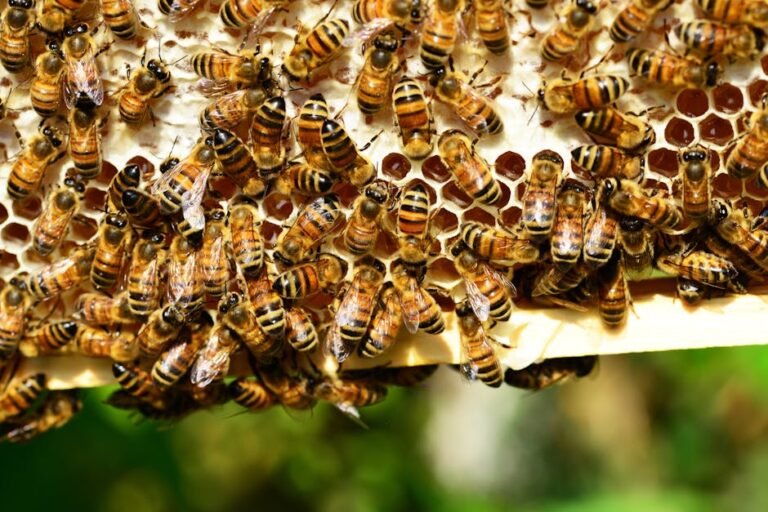
Detailed close-up of honey bees in action on a vivid honeycomb, showcasing nature's beauty.

How Hive Splitting Affects Resource Buildup and Colony Strength

Splitting a hive—dividing one strong colony into two—impacts the buildup of resources (like honey and pollen stores) and the strength of both resulting colonies in several important ways. Immediate Effects After Splitting Medium-Term Dynamics Impact on Honey Production Timing and Management Tips Table: Effects of Splitting on Colony Strength and Resource Buildup Factor Short-term Effect

How Hive Splitting Affects Resource Buildup and Colony Strength Read More »

, ,
hive, bees, insects, honey, beekeeping, nature, workers, hive, hive, hive, hive, hive, beekeeping, beekeeping, beekeeping, beekeeping

What’s the safety precautions using chemical treatments for Varroa mites

Here’s the safety precautions you should take when using chemical treatments for Varroa mites When using chemical treatments for Varroa mites, it’s crucial to prioritize both your safety and the health of your bees. Here are the most important safety precautions: 1. Always Read and Follow Product Labels 2. Personal Protective Equipment (PPE) 3. Safe

What’s the safety precautions using chemical treatments for Varroa mites Read More »

, ,
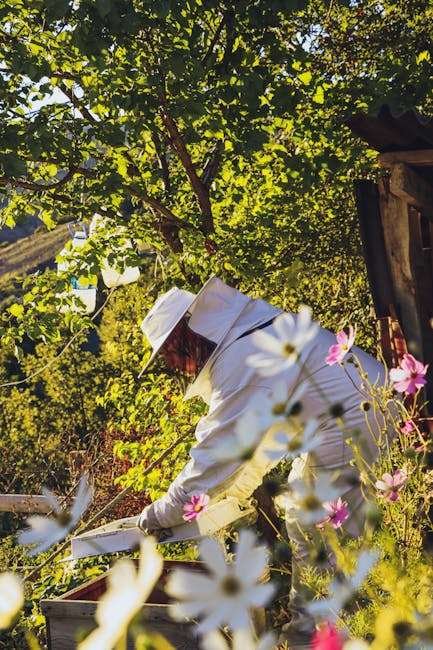
Beekeeper in a protective suit tending to beehives amidst vibrant spring flowers.

Should you ventilate when vaporizing oxalic acid

Here’s why ventilation is critical when vaporizing oxalic acid inside hives Ventilation is a critical factor when vaporizing oxalic acid inside beehives because it ensures both the safety of the bees and the effectiveness of the treatment, as well as the safety of the beekeeper: 1. Proper Containment for Efficacy 2. Controlled Airflow Prevents Harm

Should you ventilate when vaporizing oxalic acid Read More »

, ,
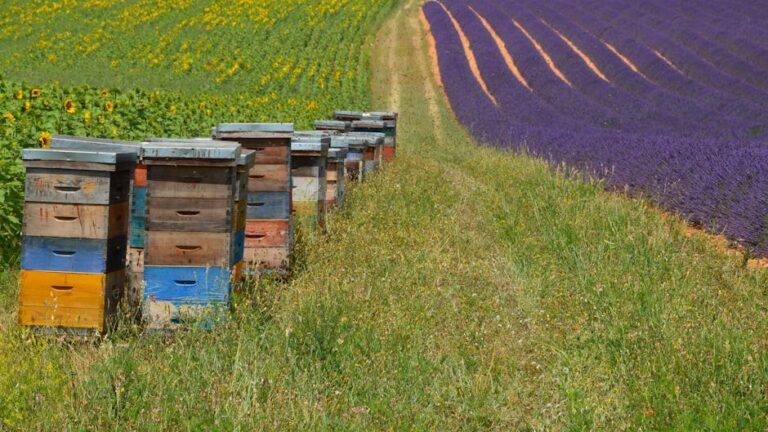
Vibrant beehives in a field with blooming lavender and sunflowers, showcasing summer beauty.

How Splitting Influences a Colony’s Ability to Winter Successfully

Splitting a bee hive—a practice where one strong colony is divided into two—has both benefits and risks when it comes to overwintering. Its impact on winter survival depends on several key factors, including timing, colony strength, and post-split management. Potential Impacts of Splitting on Winter Survival 1. Reduced Initial Strength 2. Queen Issues and Brood

How Splitting Influences a Colony’s Ability to Winter Successfully Read More »

, , ,
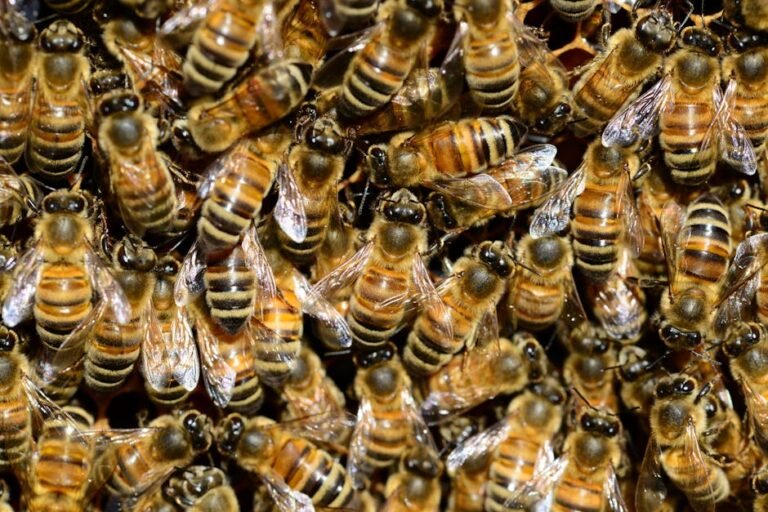
Macro shot of honey bees clustering on a hive, showcasing intricate details of their wings and stripes.

Timing of Hive Splitting and Swarm Prevention

The timing of splitting a bee colony is crucial to its effectiveness in preventing swarming. Splitting too early or too late can have consequences for both swarm control and the health of your bee colonies. Why Timing Matters Optimal Timing Effects of Poor Timing Timing Swarm Prevention Risks Too Early Less effective Weak splits, risk

Timing of Hive Splitting and Swarm Prevention Read More »

, , , ,
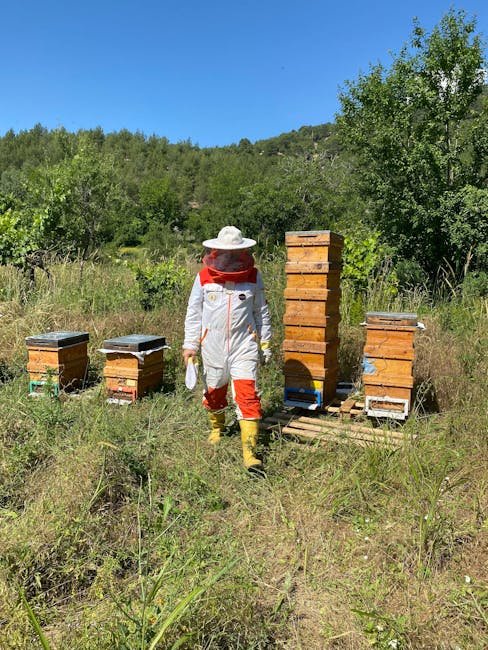
A beekeeper in protective gear attending beehives in the Turkish countryside under a bright blue sky.

How much time does a beekeeper spend on hive maintenance?

Average Time Spent The average hobbyist beekeeper typically spends about 25 to 35 hours per year per hive on maintenance tasks[1]. This total includes time spent on regular inspections, managing swarming, checking for pests like mites, preparing equipment, and harvesting honey. For beekeepers with more hives, efficiency improves per hive, but total hours increase. For

How much time does a beekeeper spend on hive maintenance? Read More »

, , ,
A beekeeper in protective gear inspects a bee-filled honeycomb outdoors in summer.

Seasonal Factors Influencing Beekeeping Time Investment

The total yearly time commitment for beekeeping varies significantly based on seasonal factors. Each season brings distinct tasks and challenges, directly impacting how many hours a beekeeper must dedicate. Spring Summer Autumn Winter Key Seasonal Influences Other Influencing Factors Summary: The majority of beekeeping hours are concentrated in spring and summer, with reduced time needs

Seasonal Factors Influencing Beekeeping Time Investment Read More »

, , ,
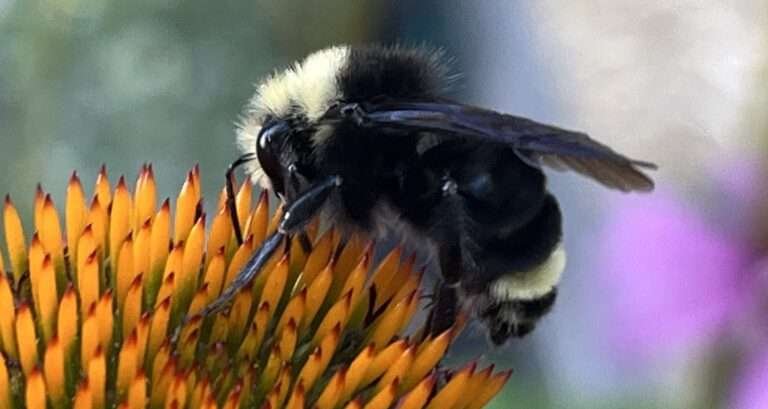
Oregon wild bumble bee on Echinacea flower by beesworld.org

Quick Summary of Key Threats Bees Face

Oregon Wild Bumble Bee – by Thomas Jones – beesworld.org Bees face a range of serious and escalating threats that impact their survival, with both longstanding and newly emerging dangers documented by experts. Here’s a quick summary: Major established threats: Emerging or evolving threats: In Summary Other factors, such as direct predation by wasps, hornets,

Quick Summary of Key Threats Bees Face Read More »

, , , , ,
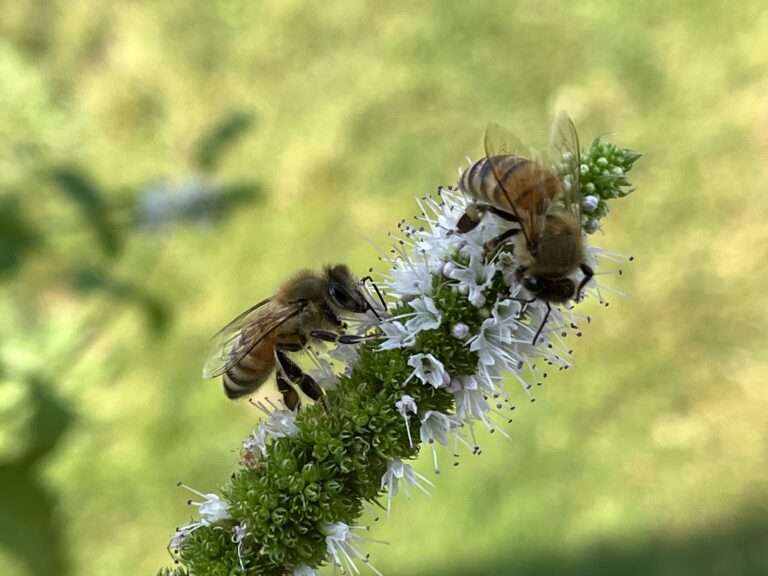
two honey bees harvesting nectar by beesworld.org

Long-Term Cost-Effectiveness of Beekeeping

Initial and Ongoing Costs Income and Return on Investment Sustainability and Broader Economic Benefits Cost-Effectiveness vs. Benefits Cost Areas Typical Range Benefits Sustainable Impact Startup per hive $400–$650[1][2][3] Honey & product sales, pollination fees Yes, after payback Annual maintenance $150–$500/hive[4][6] Ongoing harvest and ecological benefits Yes, if managed well Typical ROI timeline 2–3 years[9][7] Full

Long-Term Cost-Effectiveness of Beekeeping Read More »

, , ,
Scroll to Top