horizontal-vs-vertical-hive-open-ai

Horizontal vs Vertical Hives

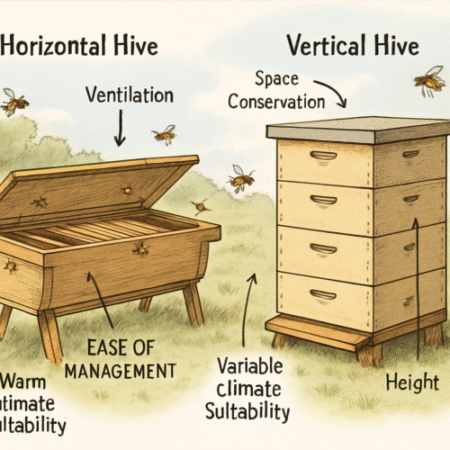
Which hive style works best? Here’s what you’ll want to consider when choosing between horizontal and vertical hives   Horizontal Hives Vertical Hives Examples Top-Bar Hive, Long Langstroth, Layens, Lazutin Langstroth (stacked), Warre, British National Climate Suitability Best for warm/hot climates[1][2]. Bees naturally build horizontally in these areas; easier to vent excess heat. Best for […]
Horizontal vs Vertical Hives Read More »

, , ,
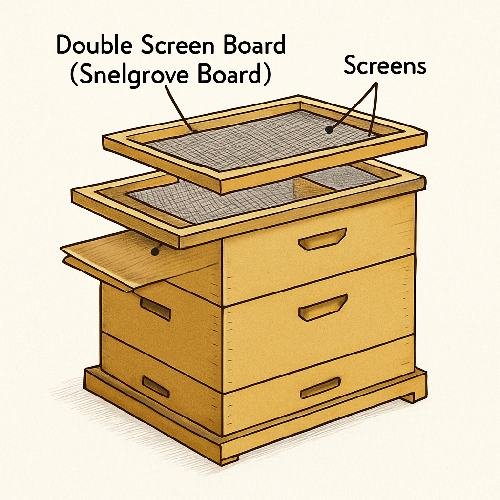
double-screen board illustration https://openai.com/index/image-generation-api/

Common Mistakes to Avoid with Double-Screen Boards in Hive Management

Double-screen (Snelgrove) boards are powerful for hive splits, swarm control, and requeening, but certain errors can reduce their effectiveness or harm colonies. The following are frequent pitfalls to watch for: 1. Mistakes with Entrances and Timing 2. Queen, Brood, and Colony Management Errors 3. Improper Screen or Board Setup 4. Neglecting Food and Resource Management

Common Mistakes to Avoid with Double-Screen Boards in Hive Management Read More »

, , , ,
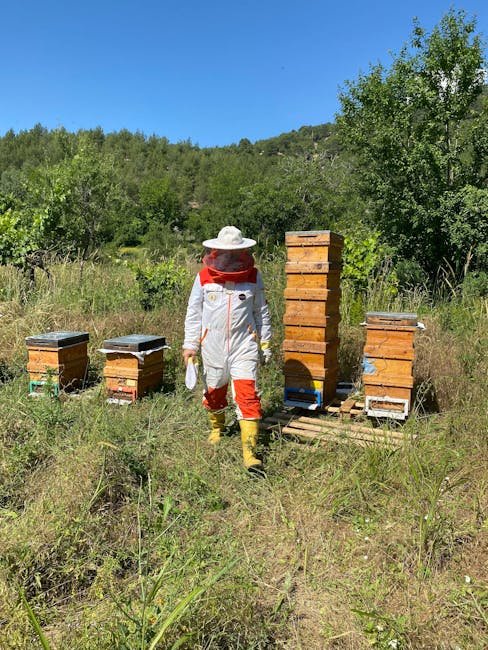
A beekeeper in protective gear attending beehives in the Turkish countryside under a bright blue sky.

How to Start Experimenting with Hive Management Techniques

If you’re ready to move beyond the basics and begin experimenting with hive management techniques, here’s a practical, step-by-step approach: 1. Build a Strong Foundation 2. Identify Your Goal 3. Choose One Technique to Try 4. Document the Process 5. Consult Experienced Beekeepers 6. Review and Iterate 7. Scale Gradually Tips for Success: Experimentation, combined

How to Start Experimenting with Hive Management Techniques Read More »

, , ,

Beekeeping Chores by Month

Here’s a quick month-by-month beekeeping chores calendar to help guide you through a full year of hive management. Usually the Spring and Fall require the most labor during the year. – – – Adjust Timing Slightly for your Local Climate and Nectar Flows JANUARY FEBRUARY MARCH APRIL MAY JUNE JULY AUGUST SEPTEMBER OCTOBER NOVEMBER DECEMBER

Beekeeping Chores by Month Read More »

, , , ,
Detailed close-up of honey bees in action on a vivid honeycomb, showcasing nature's beauty.

How Hive Splitting Affects Resource Buildup and Colony Strength

Splitting a hive—dividing one strong colony into two—impacts the buildup of resources (like honey and pollen stores) and the strength of both resulting colonies in several important ways. Immediate Effects After Splitting Medium-Term Dynamics Impact on Honey Production Timing and Management Tips Table: Effects of Splitting on Colony Strength and Resource Buildup Factor Short-term Effect

How Hive Splitting Affects Resource Buildup and Colony Strength Read More »

, ,
two honey bees harvesting nectar by beesworld.org

Long-Term Cost-Effectiveness of Beekeeping

Initial and Ongoing Costs Income and Return on Investment Sustainability and Broader Economic Benefits Cost-Effectiveness vs. Benefits Cost Areas Typical Range Benefits Sustainable Impact Startup per hive $400–$650[1][2][3] Honey & product sales, pollination fees Yes, after payback Annual maintenance $150–$500/hive[4][6] Ongoing harvest and ecological benefits Yes, if managed well Typical ROI timeline 2–3 years[9][7] Full

Long-Term Cost-Effectiveness of Beekeeping Read More »

, , ,
Crop male beekeeper in protective uniform and gloves standing in apiary while preparing for work

How labor intensive is beekeeping?

Beekeeping is moderately labor intensive, but the commitment varies greatly depending on the number of hives, your management style, the season, and your level of experience. Estimated Time Commitment for Hobbyist Beekeepers Spring requires the most attention (weekly inspections, swarm prevention), while fall and winter need far less—sometimes only monthly or bi-monthly checks[4][5][6]. Scaling Up

How labor intensive is beekeeping? Read More »

, , , ,
Beekeeper in a protective suit tending to beehives amidst vibrant spring flowers.

A Beekeeper’s Essential Role in Honey Bee Health and Wellness

Modern beekeeping demands that practitioners serve as comprehensive healthcare providers, environmental managers, and stewards for their colonies. The beekeeper’s role extends far beyond honey harvesting to encompass critical responsibilities that directly impact colony survival and productivity. Understanding these multifaceted duties is essential for anyone committed to maintaining healthy, thriving bee populations. Core Health Management Responsibilities

A Beekeeper’s Essential Role in Honey Bee Health and Wellness Read More »

, , ,
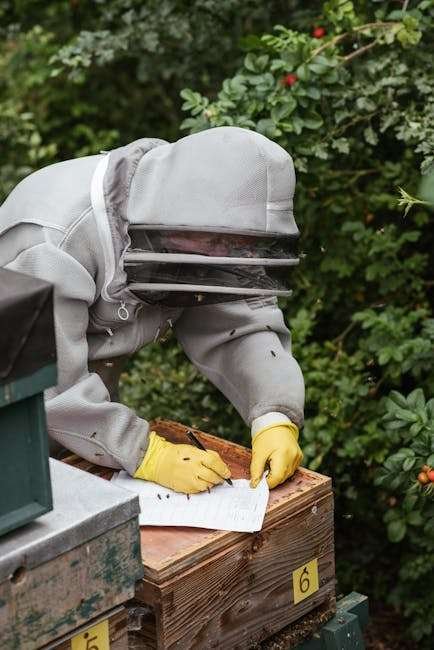
Beekeeper in protective gear records hive data in a lush, green apiary setting outdoors.

Beginning Beekeeper – 1st Year Advice

Based on my own experience and some comprehensive research on first-year beekeeping advice, I can provide you with the essential guidance that every new beekeeper needs to know for a successful start. First-Year Beekeeping Advice: A Guide for Success Start Smart: Two Hives Are Better Than One Begin with at least two hives, not just

Beginning Beekeeper – 1st Year Advice Read More »

, , ,
Beekeeper in protective clothing using a smoker in a bright, green garden setting.

Seasonal Beekeeping Management: A Comprehensive Overview

Seasonal beekeeping management is the cornerstone of successful bee colony maintenance, requiring beekeepers to adapt their practices to the changing needs of their bees throughout the year. Each season presents unique challenges and opportunities that demand specific management strategies to ensure colony health, productivity, and survival.[1][2] Spring Management: Foundation for Success Primary Goals: Prevention and

Seasonal Beekeeping Management: A Comprehensive Overview Read More »

, , ,
Scroll to Top