Styles and Designs of Double Screen Boards in Beekeeping

Screenshot of a witbee Snelgrove Board Double screen boards—often called Snelgrove boards—come in various styles and designs to meet the needs of different beekeepers and management techniques. The core concept remains the same: a board with two parallel screens to separate colonies or spaces within the same hive while allowing heat and pheromones to transfer. […]

Styles and Designs of Double Screen Boards in Beekeeping Read More »
, , ,
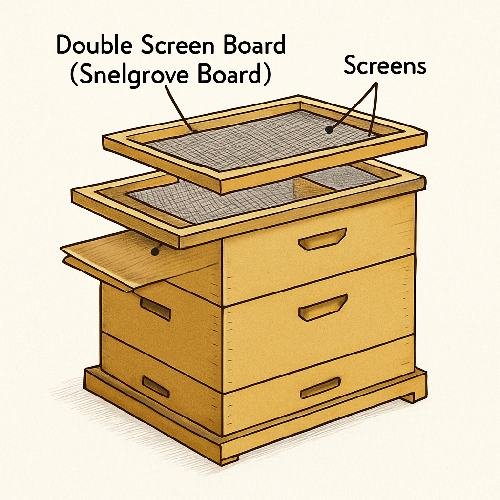
double-screen board illustration https://openai.com/index/image-generation-api/

Proper Positioning of a Double Screen Board for Hive Splits and Requeening

Key Steps for Placement 1. Prepare Your Equipment 2. For Hive Splits 3. For Requeening 4. Key Positioning Details Table: Positioning Overview Step Action Details 1 Place board on lower hive box Screens align with hive body tops/bottoms 2 Add upper box (split or queenless setup) Directly on top of the screen board 3 Open

Proper Positioning of a Double Screen Board for Hive Splits and Requeening Read More »

, , ,
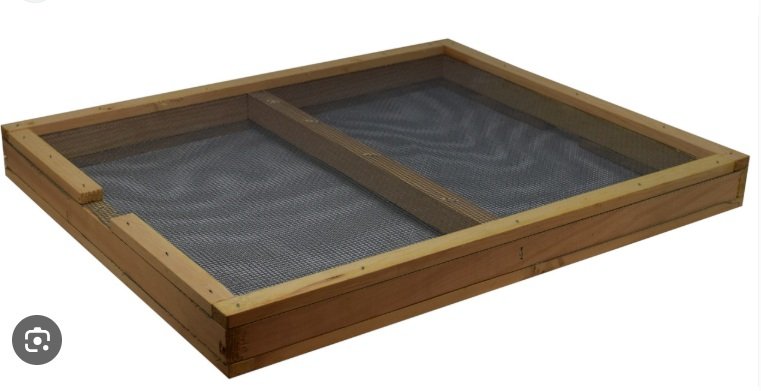
double screen board https://honeyrunapiaries.com/double-screen-board-9-frame/?srsltid=AfmBOoqzLEA4TM6gCtg1C17oTNYidaoKxEXW99mDUmaY-v25o00Sjgpe

Double Screen Boards: Essential Beekeeping Tool for Hive Management

Image by honeyrunapiaries Are Double-Screen Boards Necessary? Double screen boards are indispensable for beekeepers seeking flexible, non-invasive methods to manage hive splits, queen rearing, overwintering weaker colonies, and combining hives—offering controlled pheromone and heat transfer while preventing direct bee movement. Overview A double screen board (also known as a Snelgrove board) is a wooden insert

Double Screen Boards: Essential Beekeeping Tool for Hive Management Read More »

, , , ,
double-screen board illustration https://openai.com/index/image-generation-api/

Common Mistakes to Avoid with Double-Screen Boards in Hive Management

Double-screen (Snelgrove) boards are powerful for hive splits, swarm control, and requeening, but certain errors can reduce their effectiveness or harm colonies. The following are frequent pitfalls to watch for: 1. Mistakes with Entrances and Timing 2. Queen, Brood, and Colony Management Errors 3. Improper Screen or Board Setup 4. Neglecting Food and Resource Management

Common Mistakes to Avoid with Double-Screen Boards in Hive Management Read More »

, , , ,
A dedicated beekeeper manages wooden hives amidst a sea of blooming yellow flowers.

How to Use a Double Screen Board in Beekeeping

Image by Leung Kwok Tung Ktleung via Pexels The Double Screen Board An Indespensible Tool A double screen board (or Snelgrove board) is a versatile beekeeping tool used for advanced techniques like, swarm control, splitting hives, introducing new queens, and more. Here’s a step-by-step explanation of its primary uses and setup. Basic Concept General Method for

How to Use a Double Screen Board in Beekeeping Read More »

, , , , ,
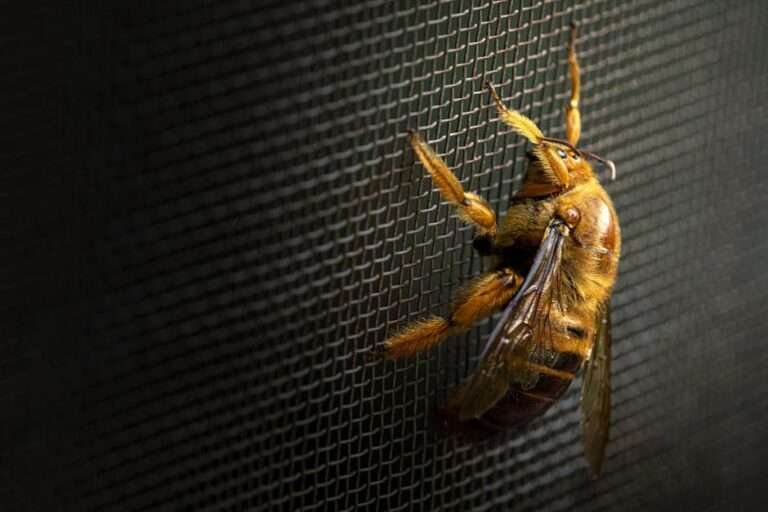
Close-up of a bee resting on a mesh in low light, highlighting its wings and texture.

Main Differences Between Double Screen Board Designs

Double screen (Snelgrove) boards come in several styles, each tailored to specific management techniques and beekeeper preferences. While all share the core function—separating two colony units while allowing heat and limited pheromone transfer—there are notable design variations to consider. Key Differences in Double Screen Board Designs 1. Number and Placement of Entrances 2. Screened Area

Main Differences Between Double Screen Board Designs Read More »

, , , , ,
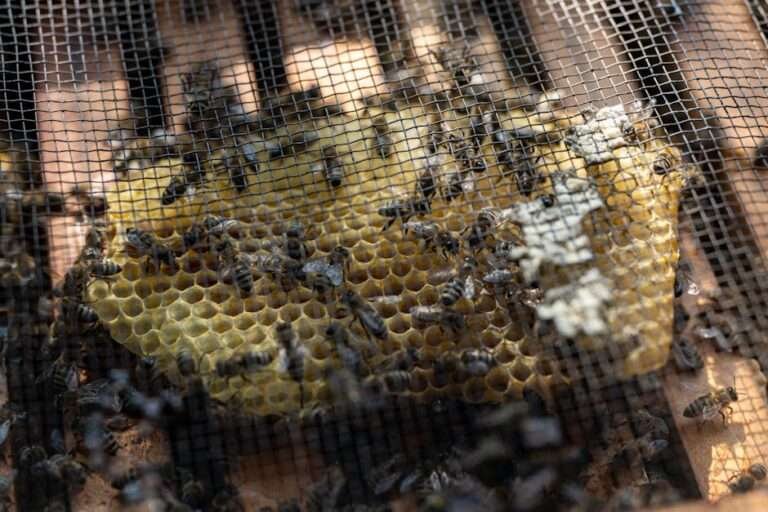
Detailed close-up of bees on a honeycomb through netting in Garešnica, Croatia.

Beginner’s Guide to Screen Boards in Beekeeping

What is a Screen Board? A screen board (specifically a double screen board or Snelgrove board) is one of the most versatile yet underused tools in beekeeping. It consists of a wooden frame with two layers of mesh screen separated by about 3/4 inch of space. This design allows heat and air to pass through

Beginner’s Guide to Screen Boards in Beekeeping Read More »
, , , ,
Scroll to Top